CASE STUDY
Aligning teams to enable flexible campaign creation through workshops
Designing structured collaboration to move stakeholders from uncertainty to MVP alignment

OVERVIEW
I designed and facilitated cross-functional workshops to help teams define a scalable approach to flexible campaign creation.
CONTEXT
CHALLENGE
The campaign builder was widely used to create email campaigns for brands, but it lacked flexibility for more complex layouts. Requests for custom layouts required engineering support, creating delays and operational inefficiencies.
To improve responsiveness and scalability, the team explored enabling Customer Success Managers to create custom layouts independently within the product.
Multiple teams had different perspectives on the solution:
Customer Success needed flexibility
Engineers were concerned about security and maintainability
Product needed to balance usability with technical feasibility
There was no shared understanding of the workflow, constraints, or MVP scope.
My role was to facilitate structured workshops to align stakeholders and define a feasible solution.
MY ROLE
I designed and facilitated cross-functional workshops to:
Build shared understanding of the current workflow
Identify constraints and opportunities
Generate and evaluate solution ideas
Prioritise MVP functionality
USER STORY: CUSTOMER SUCCESS MANAGER
“As a Customer Success Manager,
I need a way to create custom campaign layouts independently,
so that I can respond to brand requests quickly without relying on engineering support.”

USER STORY: ENGINEER
“As an engineer,
I need a controlled way for users to customise layouts,
so that we can maintain system stability and reduce repeated manual requests.”

USER STORY: PRODUCT MANAGER
“As a Product Manager,
I need alignment across teams on the smallest viable solution,
so that we can deliver value quickly while managing risk.”
WORKSHOP STRATEGY
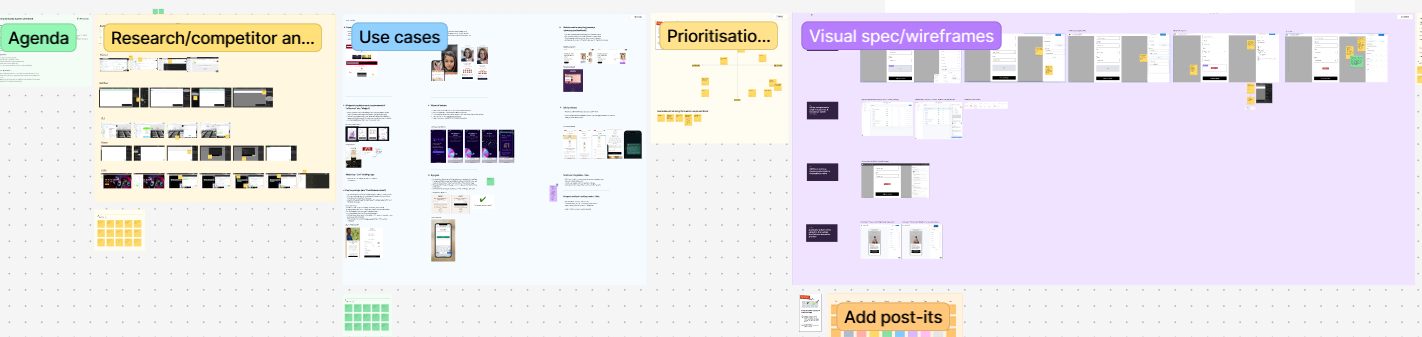
Workshop 1 — Defining the problem and initial requirements
Goal
Build a shared understanding of the current workflow, identify key use cases, and define initial project requirements.
Activities
Reviewed research and competitor approaches to similar functionality
Discussed real customer use cases to understand workflow needs
Used a prioritisation matrix to identify the most valuable requirements
Reviewed early wireframes to validate feasibility
Outcome
The team aligned on:
Core user needs
Initial feature requirements
The direction for solution exploration
Workshop 2 — Validating requirements and identifying risks
Goal
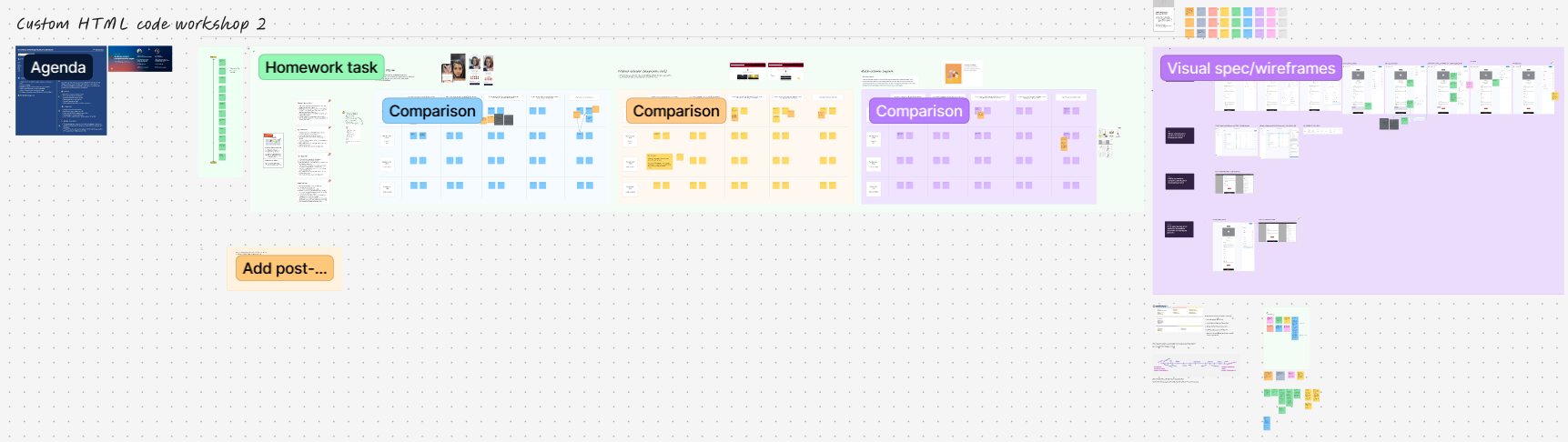
Refine the proposed solution direction and identify potential risks before moving into design exploration.
Activities
Reviewed project goals, risks, and shared user stories
Discussed competitor analysis findings from stakeholder research (homework task).
Validated requirements against real use cases
Reviewed updated wireframes to assess usability and feasibility
Outcome
The team:
Confirmed the key requirements for the solution
Identified technical and usability risks
Workshop 3 — Evaluating solutions and selecting an MVP direction
Goal
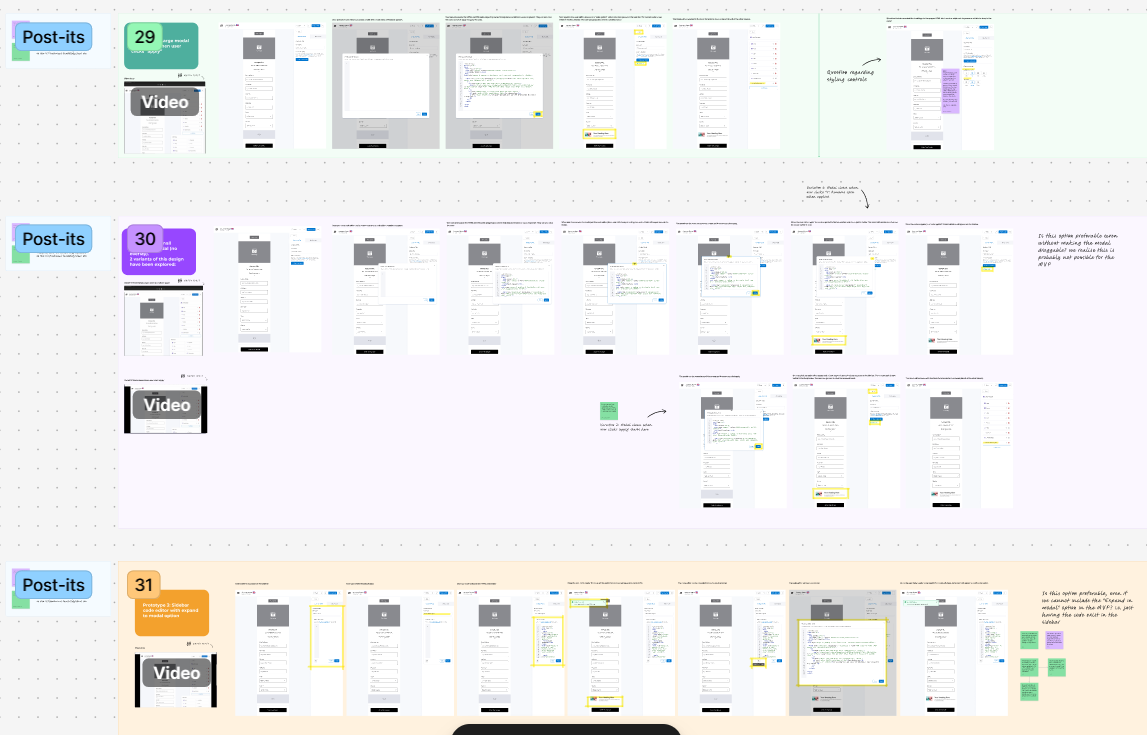
Gather structured feedback on proposed solutions and align on the most feasible approach for the MVP.
Activities
Presented three prototype solutions using recorded walkthrough videos
Enabled stakeholders to vote on preferred approaches
Collected feedback using digital post-it notes
Facilitated discussion on trade-offs between usability and technical feasibility
Outcome
The team:
Selected the embedded sidebar editor as the preferred solution
Agreed on the scope for the MVP
FACILITATION APPROACH
I designed each workshop with a clear decision goal and structured activities to keep discussions focused and productive.
To support effective collaboration, I:
Created time-boxed agendas with defined outcomes for each session
Used prioritisation exercises to help stakeholders focus on the most valuable requirements
Encouraged balanced participation across technical and non-technical roles
Facilitated discussions around trade-offs between usability and technical feasibility
Captured decisions and next steps in real time to maintain alignment
Introduced asynchronous feedback using FigJam to allow stakeholders to review and comment outside meetings
This structured approach helped the team move from exploration to decision-making efficiently while ensuring all perspectives were considered.
KEY DECISIONS
Through the workshops, the team aligned on a clear direction for the MVP.
We agreed to:
Support HTML and CSS only for the initial release to balance flexibility with security
Provide a real-time preview to help users validate layouts while editing
Embed the code editor within the builder interface for better usability
Provide reusable code examples and documentation to support non-technical users
Enable Customer Success Managers to create custom layouts independently without ongoing engineering support
These decisions ensured the solution was both practical to implement and valuable for users.

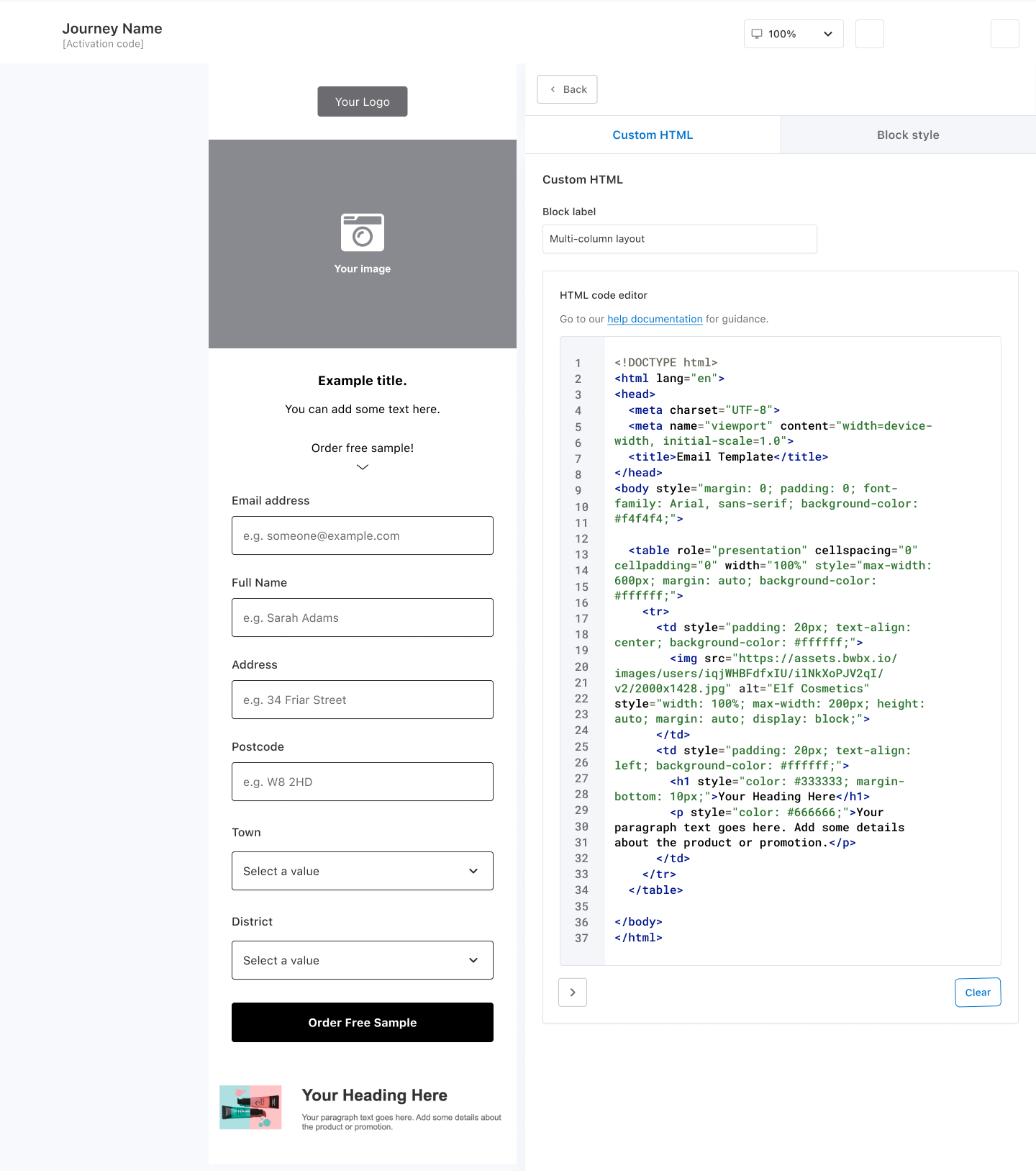
Expandable code editor with live preview and syntax error handling
Aligned on a feasible MVP within three focused workshops
IMPACT

Reduced dependency on engineering for custom layout requests
Enabled faster response to bespoke brand needs
Improved communication between CSMs and Engineering teams
Reduced implementation risk and accelerated delivery
Established a repeatable approach for future cross-functional collaboration
KEY LEARNINGS
1) Define the decision before the workshop
Defining the decision before each workshop significantly improved focus and reduced discussion time. When stakeholders clearly understood the outcome we were working toward, conversations became more productive and decisions were made faster.
2) Combine workshops with asynchronous feedback
Allowing stakeholders to review prototypes and provide input in their own time increased participation and led to more thoughtful feedback.
This experience reinforced the importance of structured facilitation in helping teams navigate decisions and move forward with confidence.